
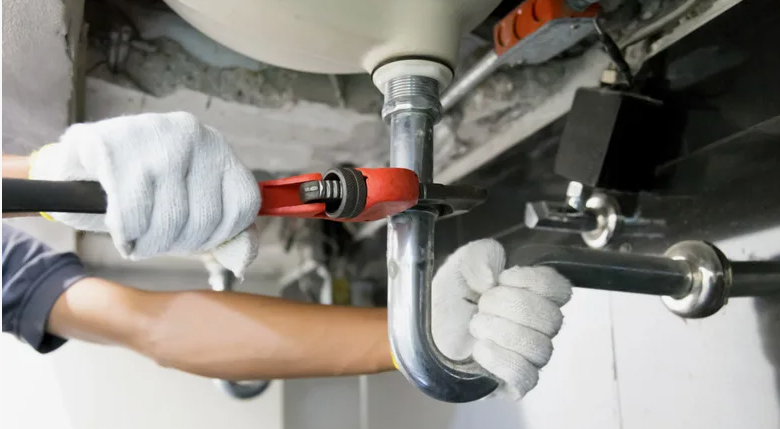
Your home’s plumbing system works behind the scenes every day, delivering clean water and removing wastewater safely. Because pipes are hidden behind walls, under floors, and beneath the ground, many homeowners don’t think about them until a problem occurs.
While some plumbing issues can be repaired, aging pipes eventually reach a point where replacement becomes the better long-term solution. Knowing the warning signs of deteriorating plumbing can help you avoid costly water damage, improve water quality, and protect your property.
How Long Do Plumbing Pipes Last?
The lifespan of plumbing pipes depends on the material used and the conditions they are exposed to.
Common pipe lifespans include:
- Copper pipes: 50–70 years
- Brass pipes: 40–70 years
- Galvanized steel pipes: 20–50 years
- PVC pipes: 50 years or more
- PEX pipes: 40–50 years or more
Even if pipes haven’t reached the end of their expected lifespan, factors such as corrosion, water quality, and previous repairs can affect their condition.
Signs It May Be Time to Replace Your Plumbing Pipes
Frequent Leaks
An occasional leak can usually be repaired. However, if leaks continue to appear in different areas of your home, it may indicate widespread pipe deterioration.
Repeated repairs often become more expensive over time than replacing aging plumbing.
Discolored Water
Rust-colored, brown, or yellow water may be a sign that older metal pipes are corroding internally.
Corrosion can affect water quality and eventually weaken the pipes, increasing the risk of leaks and failures.
Low Water Pressure
A noticeable drop in water pressure throughout the home may be caused by mineral buildup, corrosion, or narrowing inside old pipes.
When cleaning or minor repairs don’t solve the issue, pipe replacement may be necessary to restore proper water flow.
Visible Corrosion
If exposed pipes show signs of:
- Rust
- Flaking
- Discoloration
- Green or white mineral deposits
The internal condition of the pipes may be deteriorating as well.
Visible corrosion is often an early warning sign that replacement should be considered.
Unusual Noises
Banging, rattling, whistling, or vibrating pipes can sometimes indicate aging plumbing components or failing pipe connections.
A professional inspection can determine whether repairs or replacement are the best solution.
Water Stains or Moisture Damage
Water stains on ceilings, walls, or floors may indicate hidden leaks within the plumbing system.
If multiple hidden leaks are discovered, replacing sections of aging pipe can help prevent future damage.
Older Homes May Need Plumbing Upgrades
Homes built several decades ago may still contain outdated plumbing materials that no longer meet modern standards.
Older systems often include:
- Galvanized steel pipes
- Aging copper pipes
- Older pipe connections and fittings
As these materials age, they become more susceptible to corrosion, leaks, and reduced performance.
If your home is over 40 years old and still has much of its original plumbing, a professional evaluation may be worthwhile.
Benefits of Replacing Old Plumbing Pipes
Replacing aging pipes can provide several long-term advantages.
Improved Water Quality
New plumbing materials help reduce the risk of rust, sediment, and contamination entering your water supply.
Better Water Pressure
Modern piping systems often improve water flow throughout the home.
Reduced Risk of Leaks
Replacing deteriorating pipes lowers the likelihood of unexpected leaks and water damage.
Increased Home Value
Updated plumbing systems are an attractive feature for potential buyers and can add value to your property.
Greater Peace of Mind
Knowing your plumbing system is reliable can help prevent unexpected emergencies and costly repairs.
Repair vs. Replacement: Which Is Better?
Not every plumbing problem requires a complete repipe.
Repairs may be appropriate when:
- Damage is isolated to one area
- The plumbing system is relatively new
- The issue is caused by a single fitting or connection
Replacement is often recommended when:
- Multiple leaks occur regularly
- Pipes show widespread corrosion
- Water quality issues persist
- The plumbing system is nearing the end of its lifespan
A professional plumber can evaluate the condition of your pipes and recommend the most cost-effective solution.
The Importance of a Professional Inspection
Because much of your plumbing system is hidden, it can be difficult to determine its condition without expert help.
Professional inspections can identify:
- Corrosion
- Pipe deterioration
- Hidden leaks
- Water pressure issues
- Areas at risk of failure
At Dr. Domicile LLC, we help homeowners assess the condition of their plumbing systems and determine whether repairs or pipe replacement are the best option. Our goal is to provide reliable solutions that protect your home and keep your plumbing working efficiently for years to come.
Final Thoughts
Old plumbing pipes don’t last forever. Frequent leaks, discolored water, corrosion, and declining water pressure are all signs that your plumbing system may need attention. While repairs can solve isolated issues, replacing aging pipes is often the smarter long-term investment when problems become widespread.
If you’re concerned about the condition of your home’s plumbing, a professional inspection can help you understand your options and avoid costly surprises down the road.