
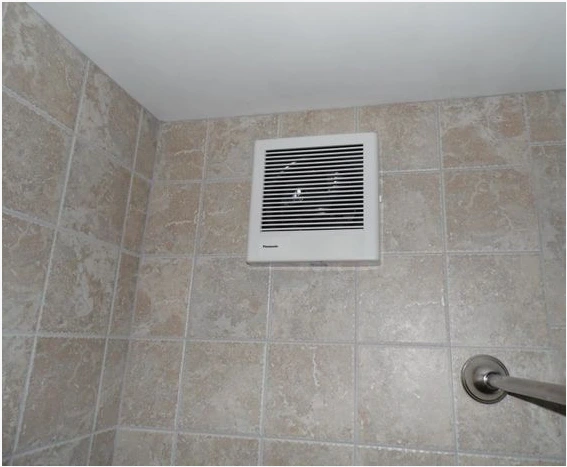
Bathroom ventilation is easy to overlook during a remodeling project. Homeowners often focus on new tile, flooring, vanities, showers, lighting, and fixtures, but ventilation plays an important role in protecting those improvements.
Showers and baths release a significant amount of moisture into the air. Without adequate ventilation, that moisture can collect on walls, ceilings, mirrors, and other surfaces. Over time, excessive humidity can contribute to mold and mildew growth and may damage paint, drywall, wood, and other materials. The EPA specifically recommends checking bathroom ventilation during remodeling and making sure exhaust air is directed outdoors rather than into an attic or another part of the home.
A bathroom remodel is an ideal opportunity to evaluate the existing ventilation system and make improvements before the walls and ceiling are finished.
Why Is Bathroom Ventilation Important?
Every shower or hot bath adds moisture to the bathroom air. If that humid air remains trapped in the room, condensation can develop on cooler surfaces.
Over time, poor moisture control can contribute to:
- Foggy mirrors and windows
- Peeling or damaged paint
- Damp drywall
- Musty odors
- Mold and mildew growth
- Deterioration of trim and other materials
- Moisture problems inside wall or ceiling cavities
Good ventilation helps remove moisture close to where it is produced. ENERGY STAR also identifies bathroom exhaust fans that vent directly outdoors as an important part of indoor air quality and moisture control.
1. Upgrade an Old or Ineffective Exhaust Fan
If your bathroom already has an exhaust fan, a remodel is a good time to determine whether it is actually doing its job.
A fan that is noisy but moves very little air may not be providing effective ventilation. Likewise, an older fan may not perform as well as a newer, properly installed model.
Consider replacing the fan if:
- The bathroom stays humid long after a shower
- The mirror remains fogged for an extended period
- The fan makes excessive noise
- Airflow feels weak
- There is recurring mold or mildew
- The existing fan is outdated or damaged
ENERGY STAR-certified ventilation fans are designed to meet performance and efficiency requirements, and many newer models are quieter than older bathroom fans.
2. Make Sure the Fan Exhausts Outdoors
One of the most important parts of bathroom ventilation is where the moist air goes.
A bathroom exhaust fan should vent the humid air outside the home, not into an attic, crawlspace, wall cavity, or another enclosed area. Exhausting moisture into an attic or other hidden space can simply move the moisture problem somewhere else.
The EPA specifically recommends directing bathroom exhaust outdoors during remodeling projects.
If your existing fan vents into an attic or another interior space, a remodel may provide a good opportunity to correct the duct routing.
3. Check the Exhaust Duct
The fan itself is only one part of the ventilation system. The duct that carries air outside also affects performance.
Long, restricted, poorly connected, or improperly routed ductwork can reduce the amount of air the fan actually removes.
During a bathroom remodel, the ventilation system should be evaluated for:
- Duct condition
- Connections and joints
- Excessive bends
- Restrictions
- Proper exterior termination
- Air leakage
- Appropriate duct sizing
The Building America Solution Center recommends replacing or rerouting bathroom exhaust ductwork when it terminates in an attic, crawlspace, or between floors. It also recommends checking the exterior termination and damper.
4. Choose the Right Fan Capacity
Bathroom exhaust fans are commonly rated by CFM, or cubic feet per minute, which indicates the amount of air the fan is designed to move.
The correct capacity depends on the bathroom and ventilation design. A fan that is too small may not remove moisture effectively, while choosing a much larger fan without considering the duct system and installation can also create unnecessary noise or energy use.
Rather than selecting a fan based only on the number printed on the box, consider the complete installation, including the bathroom size, ductwork, exterior termination, and actual installed performance.
For specific ventilation requirements, your remodeling professional can help coordinate the work with the appropriate HVAC or electrical professional.
5. Consider a Humidity-Sensing Fan
A humidity-sensing exhaust fan can automatically activate when humidity levels rise.
This can be useful because homeowners do not always remember to turn the bathroom fan on before or during every shower. A humidity sensor can help automate ventilation when moisture levels increase.
Another option is a timer switch that allows the fan to continue running after you leave the bathroom.
The goal is to remove moisture rather than simply turn the fan on for a few minutes and shut it off immediately after a shower.
6. Improve Airflow Into the Bathroom
An exhaust fan needs a path for replacement air to enter the bathroom.
If the room is tightly closed off, the fan may have difficulty moving air effectively. A properly sized gap beneath the bathroom door or another intentional air-transfer solution can help provide the airflow needed for exhaust ventilation.
During a remodel, consider how the door, walls, ceiling, and ventilation system work together rather than treating the exhaust fan as an isolated component.
7. Use Windows as Supplemental Ventilation
If your bathroom has an operable window, opening it can provide additional ventilation when weather and privacy allow.
However, a window should generally be considered a supplement rather than the only moisture-control strategy, particularly in a bathroom that receives frequent showers.
A properly installed exhaust fan provides more consistent mechanical ventilation and can remove humid air directly from the room.
8. Plan Ventilation Before Closing the Walls
One of the biggest advantages of improving ventilation during a remodel is access.
When walls or ceilings are already open, it may be easier to inspect existing ductwork, correct routing problems, seal accessible penetrations, or install new ventilation components.
The EPA notes that remodeling can also provide opportunities to improve air-sealing around ventilation and other penetrations in walls and ceilings.
Planning ventilation early can prevent the need to reopen finished walls or ceilings later.
9. Protect the Shower Area From Moisture
Ventilation works together with other moisture-control measures.
During a bathroom remodel, shower walls and other wet areas should be properly designed to manage water. Leaks and condensation should be addressed rather than relying on ventilation alone.
The EPA recommends managing water and condensation during bathroom renovations, including making sure wet walls are constructed to limit moisture penetration into wall and floor cavities.
This means the best bathroom moisture strategy combines:
Ventilation + waterproofing + proper materials + good maintenance
10. Consider the Location of the Exhaust Fan
Where the fan is installed can affect how effectively it captures moisture.
In many bathrooms, placing the exhaust fan near the shower or bathtub allows humid air to be removed closer to its source. The exact location depends on the bathroom layout and the existing structure.
During remodeling, consider the placement of the shower, tub, vanity, toilet, lighting, and ventilation together. A coordinated layout can produce a more functional bathroom than adding each component independently.
11. Choose a Quieter Fan You Will Actually Use
Noise can be an important consideration.
If a bathroom exhaust fan is extremely loud, homeowners may be less likely to use it consistently. A quieter fan can make regular ventilation easier to live with.
When comparing models, look at the manufacturer’s sound rating as well as airflow and efficiency. ENERGY STAR’s ventilation-fan criteria include sound-performance requirements for certified models.
A fan that is quiet, effective, and easy to operate is more likely to become part of your normal bathroom routine.
12. Keep the Fan Clean
Even a properly installed exhaust fan needs maintenance.
Dust and debris can accumulate on the grille and fan components, potentially reducing airflow.
Periodically:
- Clean the fan grille
- Remove accessible dust and debris
- Check that the exterior termination is not obstructed
- Listen for unusual noises
- Make sure the fan still provides noticeable airflow
The Building America Solution Center notes that cleaning the fan cover and blades and checking the exhaust termination can help maintain performance.
Signs Your Bathroom May Need Better Ventilation
You may want to evaluate your bathroom ventilation if you regularly notice:
Persistent condensation
If mirrors, windows, walls, or ceilings remain wet long after showering, the bathroom may not be removing moisture effectively.
Peeling paint
Paint that repeatedly bubbles, flakes, or peels around the ceiling or shower area can be a sign of moisture problems.
Musty odors
A persistent musty smell may indicate excess moisture or mold growth.
Recurring mildew
If mildew repeatedly returns despite cleaning, look at the underlying moisture conditions rather than treating the visible growth alone.
Damaged drywall
Soft, stained, swollen, or deteriorating drywall should be evaluated to determine whether moisture is entering or accumulating where it should not.
Should You Upgrade Bathroom Ventilation During a Remodel?
In many cases, a bathroom remodel is one of the best times to evaluate ventilation.
If the walls or ceiling are already being opened, it may be easier to make changes to ductwork, electrical connections, fan placement, air sealing, and other components.
Instead of waiting until moisture problems appear, consider ventilation as part of the initial bathroom design.
A well-planned bathroom should not only look good after remodeling—it should also manage moisture effectively.
How Dr. Domicile LLC Can Help With a Bathroom Remodel
Bathroom ventilation should be considered alongside the other components of a remodeling project, including drywall, flooring, fixtures, tile, plumbing, electrical work, and layout.
Dr. Domicile LLC provides bathroom remodeling and home improvement services, helping homeowners coordinate improvements that make their bathrooms more functional and comfortable.
If you are planning a bathroom remodel, discussing ventilation early can help ensure the finished space has an appropriate approach to moisture management rather than treating ventilation as an afterthought.
Final Thoughts
Improving bathroom ventilation during a remodel can help protect your investment and create a more comfortable space. Start by evaluating the existing exhaust fan, ductwork, airflow, and exterior termination. If necessary, consider upgrading the fan, improving duct routing, adding humidity controls, and addressing air-sealing or moisture-management issues while the bathroom is being renovated.
Most importantly, bathroom ventilation should exhaust humid air to the outdoors and work together with proper waterproofing and moisture control.
Planning these improvements during the remodeling stage can be much easier than trying to correct ventilation problems after the new walls, ceilings, and finishes are already in place.