
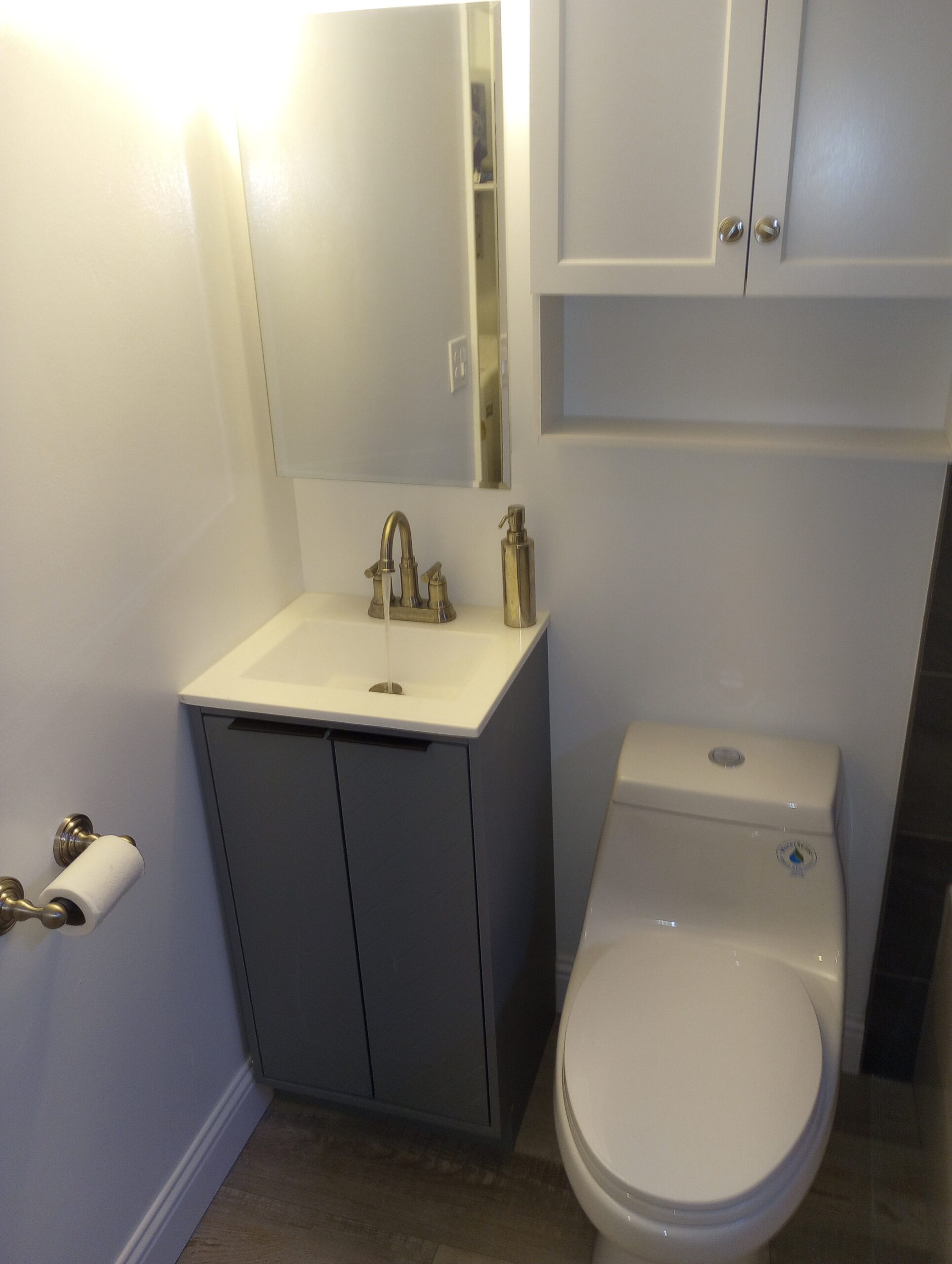
Bathroom remodeling is one of the most popular home improvement projects, but it is also one of the most complex when it comes to electrical safety. Bathrooms combine electricity with water, humidity, and confined spaces, which creates a higher risk environment than most other areas of the home. Without careful planning and proper electrical practices, a bathroom remodel can expose homeowners to safety hazards, failed inspections, and long-term electrical problems.
Understanding electrical safety during a bathroom remodeling project helps ensure that the finished space is not only visually appealing but also safe, functional, and compliant with modern building standards.
Why Bathrooms Require Special Electrical Considerations
Bathrooms are classified as wet or damp locations due to frequent exposure to moisture, steam, and splashing water. This constant moisture can affect electrical components over time, leading to corrosion, short circuits, and insulation breakdown. Even small electrical mistakes that might be minor in other rooms can become serious hazards in a bathroom.
Because of these risks, electrical codes for bathrooms are more strict. These codes are designed to reduce the chance of electric shock, prevent fires, and ensure that electrical systems perform reliably despite the challenging environment. A successful bathroom remodel takes these factors into account from the very beginning of the planning phase.
Planning Electrical Layout Before Construction Begins
One of the most important steps in bathroom remodeling is planning the electrical layout before any demolition or installation begins. This includes deciding where outlets, switches, lighting fixtures, ventilation fans, and specialty features will be placed. Electrical planning should happen alongside plumbing and layout design to avoid conflicts later in the project.
Poor planning often leads to outlets being placed too close to water sources, insufficient lighting coverage, or overloaded circuits. Addressing electrical needs early helps avoid costly changes once walls are opened or finishes are installed. A well-thought-out plan improves both safety and convenience in daily use.
The Role of GFCI Protection in Bathroom Safety
Ground Fault Circuit Interrupter outlets play a critical role in bathroom electrical safety. These devices are designed to shut off power immediately if they detect an imbalance in electrical current, which can occur when electricity comes into contact with water or a human body.
GFCI protection is typically required for outlets near sinks, countertops, and other areas where water is present. During a bathroom remodel, upgrading outdated outlets to GFCI-protected outlets is a simple yet highly effective safety improvement. This protection significantly reduces the risk of electrical shock, especially in households with children or elderly residents.
Safe Placement of Outlets and Switches
The placement of outlets and switches in a bathroom must follow specific safety guidelines. Electrical components should be installed at safe distances from sinks, tubs, and showers to minimize exposure to water. Improper placement increases the risk of moisture intrusion and electrical failure.
Switches should be easily accessible without requiring users to reach over water sources. Thoughtful placement improves safety while also enhancing usability. When outlets and switches are positioned correctly, the bathroom becomes more functional and less prone to electrical issues over time.
Choosing the Right Lighting for Bathroom Environments
Lighting is a key element of bathroom remodeling, but not all lighting fixtures are suitable for moist environments. Bathrooms require fixtures that are rated to handle humidity and, in some cases, direct water exposure. Using the wrong type of fixture can lead to corrosion, electrical malfunction, and shortened lifespan.
Damp-rated fixtures are typically used for general bathroom lighting, while wet-rated fixtures are necessary for areas inside showers or directly above bathtubs. Selecting appropriate lighting not only improves safety but also ensures consistent performance and long-term reliability.
Importance of Proper Ventilation
Ventilation plays a major role in protecting electrical systems in bathrooms. Excess humidity can damage wiring, switches, and fixtures over time, even if they were installed correctly. A properly sized and well-placed exhaust fan helps remove moisture from the air, reducing condensation and preventing long-term damage.
Good ventilation also supports overall bathroom health by limiting mold and mildew growth. When moisture levels are controlled, electrical components are less likely to deteriorate, which improves safety and reduces maintenance needs.
Managing Electrical Load During a Remodel
Modern bathroom remodels often include features that increase electrical demand. Heated floors, illuminated mirrors, towel warmers, high-powered exhaust fans, and multiple outlets all draw power. Without proper circuit planning, these features can overload existing electrical systems.
Overloaded circuits may cause frequent breaker trips, overheating wires, or even fire hazards. Ensuring that circuits are designed to handle the increased load is essential. In many cases, adding dedicated circuits for high-demand features improves safety and performance while preventing future electrical issues.
Understanding Electrical Codes and Compliance
Electrical codes exist to ensure that installations meet safety standards and perform reliably. During a bathroom remodel, compliance with local electrical codes is not optional. These codes govern outlet placement, lighting zones, circuit requirements, and safety protections.
Ignoring code requirements can result in failed inspections, delays in project completion, and potential issues when selling or insuring the home. Code compliance also provides peace of mind, knowing that the electrical system meets recognized safety standards.
Avoiding Common Electrical Remodeling Mistakes
One of the most common mistakes during bathroom remodeling is underestimating the complexity of electrical work. Electrical systems must be properly grounded, protected from moisture, and installed with precision. Even small errors can create serious risks.
Another frequent issue is attempting to reuse outdated wiring or components that are not designed for modern electrical demands. While this may seem cost-effective in the short term, it often leads to performance problems and safety concerns later. Updating electrical systems during a remodel is an investment in long-term reliability.
The Risks of DIY Electrical Work
While many aspects of bathroom remodeling can be handled by homeowners, electrical work carries a higher level of risk. Incorrect wiring, improper grounding, or using incompatible components can result in shock hazards or fire risks.
DIY electrical work also increases the likelihood of code violations, which may not become apparent until an inspection or resale. Electrical safety depends on accuracy and experience, and mistakes are not always visible immediately. Caution and proper expertise are essential when making electrical changes in a bathroom.
Testing Electrical Systems Before Finishing
Before closing walls or completing final finishes, all electrical systems should be thoroughly tested. This includes checking outlets, lighting fixtures, ventilation fans, and safety devices to ensure they function as intended.
Testing early allows problems to be corrected while access is still available. Skipping this step can lead to hidden issues that are difficult and expensive to fix once the remodel is complete.
Long-Term Electrical Safety and Maintenance
Electrical safety does not end when the remodel is finished. Ongoing maintenance and awareness help preserve the safety and performance of bathroom electrical systems. Monitoring for signs such as flickering lights, warm outlets, or unusual odors can help identify issues early.
Maintaining proper ventilation and avoiding excessive moisture buildup also supports long-term electrical safety. A bathroom that is well cared for remains safer and more reliable for years to come.
Final Thoughts
Electrical safety is one of the most critical aspects of bathroom remodeling projects. Because bathrooms present unique challenges involving moisture and electricity, careful planning, proper materials, and code compliance are essential. From GFCI protection and fixture selection to ventilation and circuit management, every decision impacts safety and performance.
A bathroom remodel that prioritizes electrical safety not only protects the home and its occupants but also ensures long-term value and peace of mind. Taking the time to understand these principles leads to a finished space that is both beautiful and secure.